TreeCity

Tallinn, Estonia
Helsinki, Finland
Brussels, Belgium

Improving the well-being of urban trees with 3D root modeling

Trees are vital components of urban green infrastructure, providing a wide range of environmental, social, and economic benefits. Their health and stability largely depend on root systems, which can be easily damaged during excavation or construction activities. To prevent harm and unintended tree loss, TreeCity uses 3D root system modelling to support urban planning processes and protect the long-term health of urban trees. 

Challenge 

As cities around the world aim to become more sustainable, preserving and increasing urban vegetation, especially trees, has become essential for improving quality of life and strengthening the urban environment. Yet in dense urban environments, trees are often exposed to external stress factors that affect their health and can lead to long-term damage or even loss.

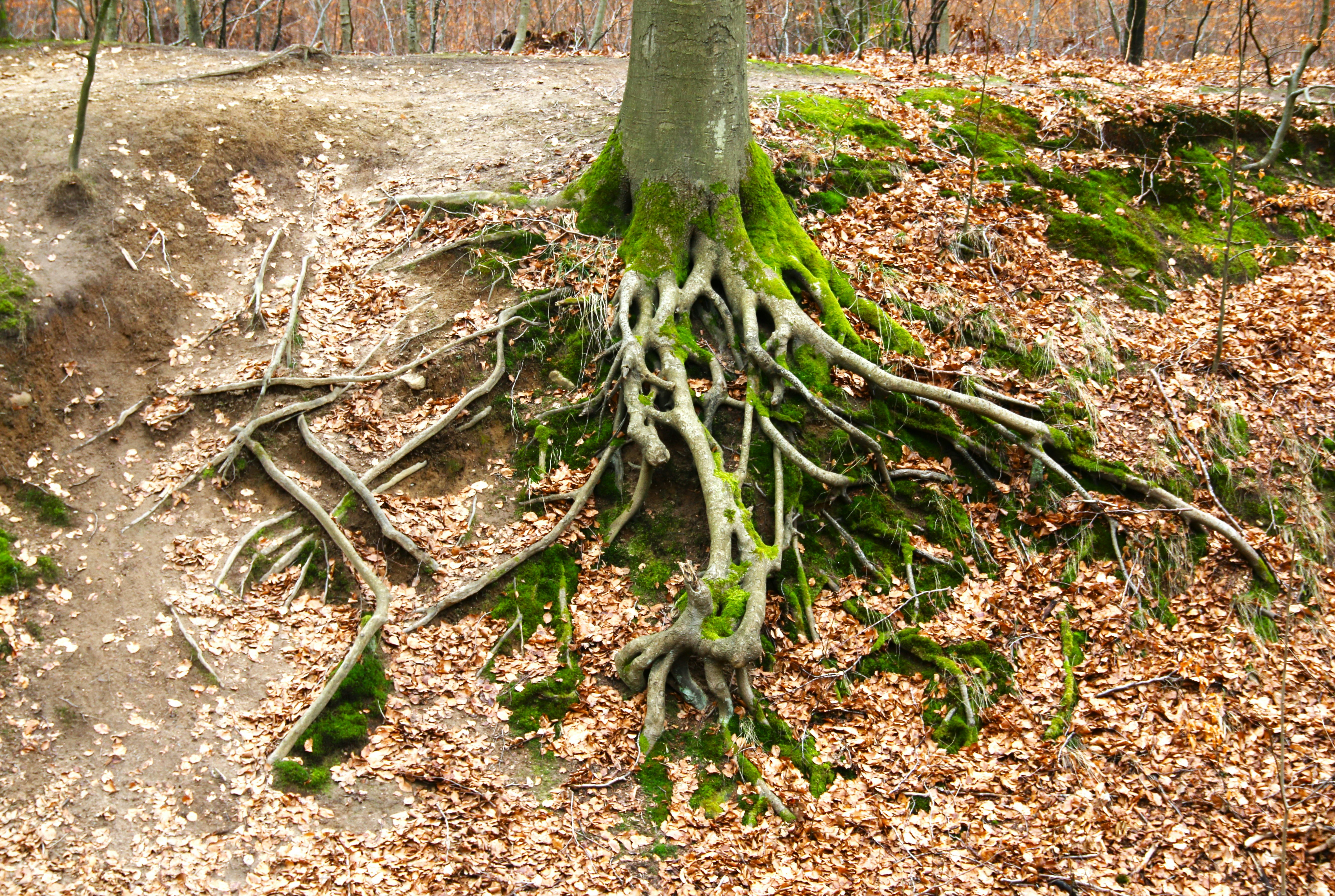
Tree roots play a crucial role in maintaining overall tree health. These complex and dynamic systems remain largely hidden underground, yet in cities they face increasing pressure from construction activities and restricted soil space. Roots often share the same shallow subsurface areas as critical infrastructure, making them particularly vulnerable during excavation works. As a result, root damage is common and can significantly weaken trees.

The consequences are both environmental and financial. In Tallinn, 12 236 trees were felled in 2023, of which 8247 (67.4%) were removed due to poor health. In many cases, root system damage was a contributing factor. Although cities aim to prevent unintended tree loss and the associated costs, there is still a lack of knowledge and practical tools to better plan for root space and identify optimal locations for planting.

Solution 

TreeCity provides a comprehensive solution for 3D root system modelling that can be combined with existing aboveground 3D tree models. This supports more informed assessment and planning for the long-term health of urban trees. The solution allows city stakeholders to visualise, analyse and better understand tree root systems and their spatial needs through 3D city models, digital twins and VR/AR applications. 

TreeCity has four main components: 

  • Algorithmic 3D models of tree roots, including parametric models showcasing probabilistic root systems of particular tree species and individual-specific models representing actual trees in specific urban locations based on subsurface data.
  • 3D tree root growth simulator that uses AI-powered modelling to simulate root development across different tree species, soil types and structures, water conditions, and the presence of physical obstacles.
  • Web service that allows urban planners, architects and other key stakeholders to interact with visualised tree root systems in support of urban planning and development processes.
  • Standardisation proposals (e.g for the 3D city model standard CityGML) to better incorporate 3D tree root models, urban soil layers, and tree-supporting infrastructure into 3D city models, as well as into urban planning and detailed design software.

Pilot cities 

TreeCity will be piloted in three European cities: Tallinn (Estonia), Helsinki (Finland) and Brussels (Belgium). During two piloting phases in 2026 and 2027, the project team will test the integration of the 3D tree root system models with cities’ information infrastructure and its usability in realistic urban planning situations.

Want to get involved?

TreeCity is open for collaboration:

  • Cities can join as future pilot sites or early adopters of the technology and get a next level view on including urban vegetation as an integral part of city modeling.
  • Researchers interested in advancing urban natural environment virtualisation and behavioural modelling are encouraged to contact us to explore collaboration opportunities.

For more information or to explore partnership opportunities, get in touch with the TreeCity team.

Duration of the pilot project: January 2026 – December 2027
Total budget: € 900 000 (TalTech budget)

The implementation of pilot projects is funded by the European Regional Development Fund and the Estonian Ministry of Education and Research through the project “FinEst Targa Linna tippkeskuse piloodiprogramm“.