
Smart City Challenge 5th round, 2025

Uudised

Five Finalists of Smart City Challenge 2025

In the 5th round of the Smart City Challenge, the search is on for two breakthrough solutions tackling some of the most pressing urban challenges. The selected pilot projects will focus on scalable, high-impact innovations that improve quality of life while helping cities become smarter, happier and more resilient.

Each pilot will receive up to €840,000 in funding and is expected to combine interdisciplinary expertise, demonstrate strong commercial potential, and involve international collaboration, bringing together at least one Estonian city and city from another country.

Following a competitive process with 18 qualified applications, five standout finalists have been selected to move forward.

Five finalists have been selected, discover what they are working on! 
Adaptive Nature-Based Solution Planner

Solution lead(s): Laura Mrosla, Marja-Liisa Soone

Urban challenge, cities and solution proposals

This solution introduces an integrated geospatial toolkit for climate-resilient urban stormwater management. By linking urban digital twins with hydrological, ecological, and infrastructure data, it enables cities to systematically plan, simulate, and implement nature-based solutions (NBS).

Unlike fragmented existing tools, it combines stormwater modelling, plant selection, and GIS design into a unified platform. Several cities, including Tallinn, Tartu, Helsinki, and Warsaw, have already expressed interest in piloting, highlighting strong international demand. The solution also shows commercial potential through partnerships with private developers and companies like Antscape.

Digital Traffic Layer for Autonomy

Solution lead(s): prof. Raivo Sell, prof. Mauro Bellone

Urban challenge, cities and solution proposals 

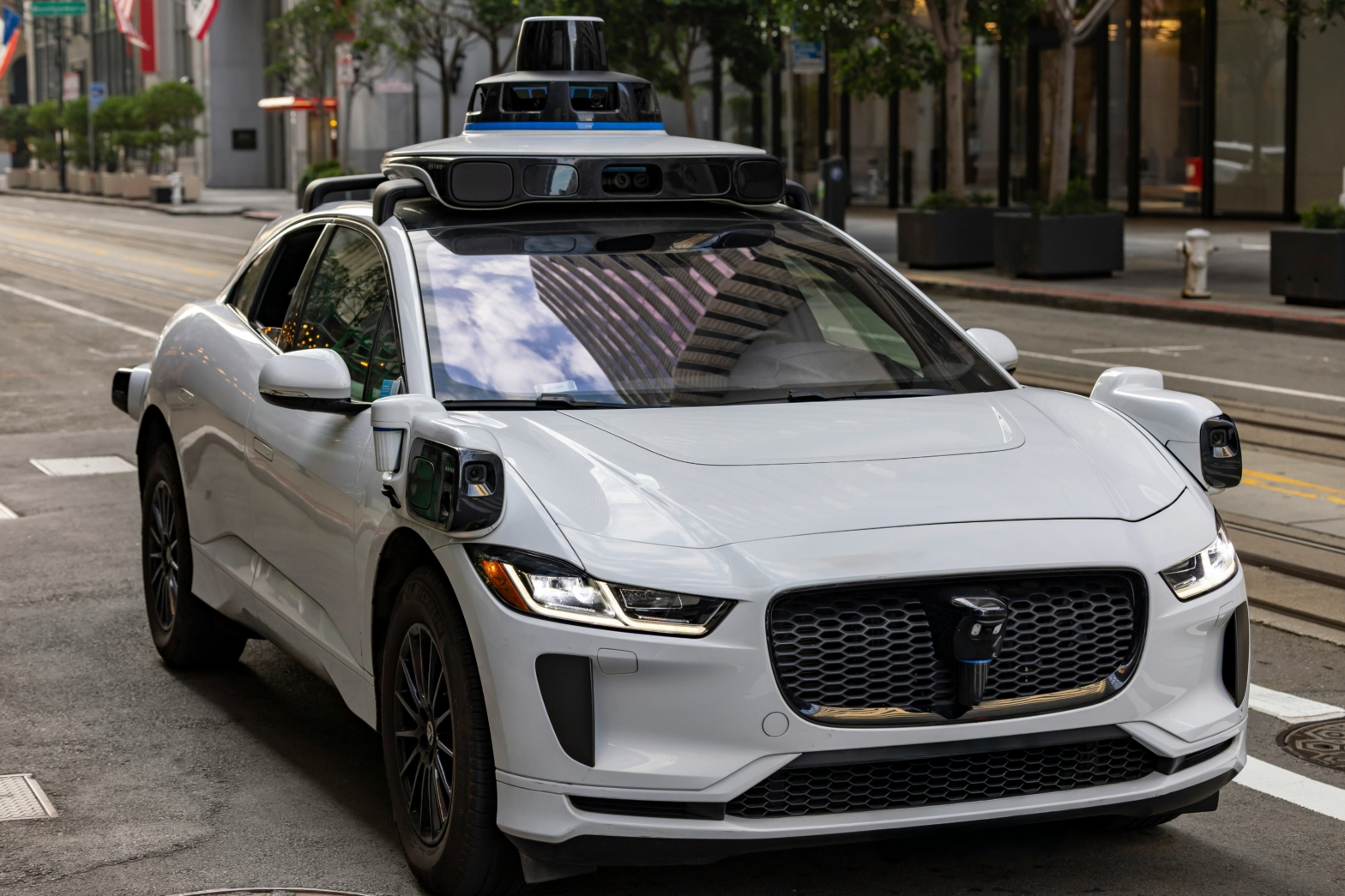
Focused on the future of mobility, this project aims to create a machine-readable infrastructure layer that allows autonomous vehicles to safely interact with real-world urban environments.

By converting complex and fragmented traffic data into a standardized, real-time digital interface, the solution addresses one of the key bottlenecks in autonomous mobility deployment. Planned pilots in Tartu (Estonia) and Zhytomyr (Ukraine) will test its real-world applicability in diverse urban contexts.

Proactive Management of Urban Water Networks

Solution lead(s): prof. Maarja Kruusmaa and prof. Ivar Annus

Urban challenge, cities and solution proposals 

This project tackles hidden challenges in urban infrastructure by deploying robotic systems within sewer networks. These robots collect data from previously inaccessible areas and install sensors throughout the system.

The collected data feeds into a digital twin, enabling predictive maintenance and smarter decision-making for city operators. With pilot sites planned in Tallinn, Latvia, and the UK, and commercialisation support from Südi Robotic, the solution represents a significant step toward resilient water infrastructure.

Safe and Attractive Cycling Infrastructure

Solution lead(s): prof. Mairo Leier

Urban challenge, cities and solution proposals 

This platform supports cities in building safer and more inclusive cycling networks. Using image-based analysis, it assesses infrastructure risk levels, identifies high-risk areas, and helps prioritize interventions.

Beyond diagnostics, it also simulates future scenarios, allowing cities to evaluate planned improvements and optimize network design. With pilot cities ranging from Tartu to Barcelona and Istanbul, the solution aligns closely with Sustainable Urban Mobility Plans (SUMPs) and broader mobility strategies.

Tree Pits for Challenging Urban Conditions

Solution lead(s): prof. Muhammad Mahtab Alam

Urban challenge, cities and solution proposals 

Addressing urban greenery and climate resilience, this solution transforms tree management through real-time monitoring and predictive analytics.

The “Smart Tree” system combines IoT sensors, AI-driven analytics, and citizen engagement tools to provide actionable recommendations, not just alerts, on tree health and performance. Pilots in Estonia, the UK, and Italy will test its ability to shift cities from reactive maintenance to proactive, data-driven care.

What Happens Next?

The finalists now enter a co-creation and development phase, working closely with cities and experts from the FinEst Centre:

  • April 8, 2026 – information seminar for all finalists
  • April to August – teams collaborate to develop full pilot proposals, action plans, and budgets while validating real-world needs
  • May 13 – business development training led by Lauri Antalainen
  • August 21 – deadline for full pilot submissions
  • September – final evaluation of proposals
  • November 1, 2026 – launch of two selected pilot projects (running until October 31, 2028)

With only two pilots to be selected, the next phase will be decisive. Regardless of the outcome, these innovations signal a clear direction towards safer, more sustainable, and resilient cities.

You can see all submitted urban challenges by cities and campuses, and initial solution proposals here.

The implementation of pilot projects is funded by the European Regional Development Fund and the Estonian Ministry of Education and Research through the project “FinEst Targa Linna tippkeskuse piloodiprogramm“.

Stay informed about smart cities and our projects with our newsletter – subscribe now!

Sarnaseid uudiseid