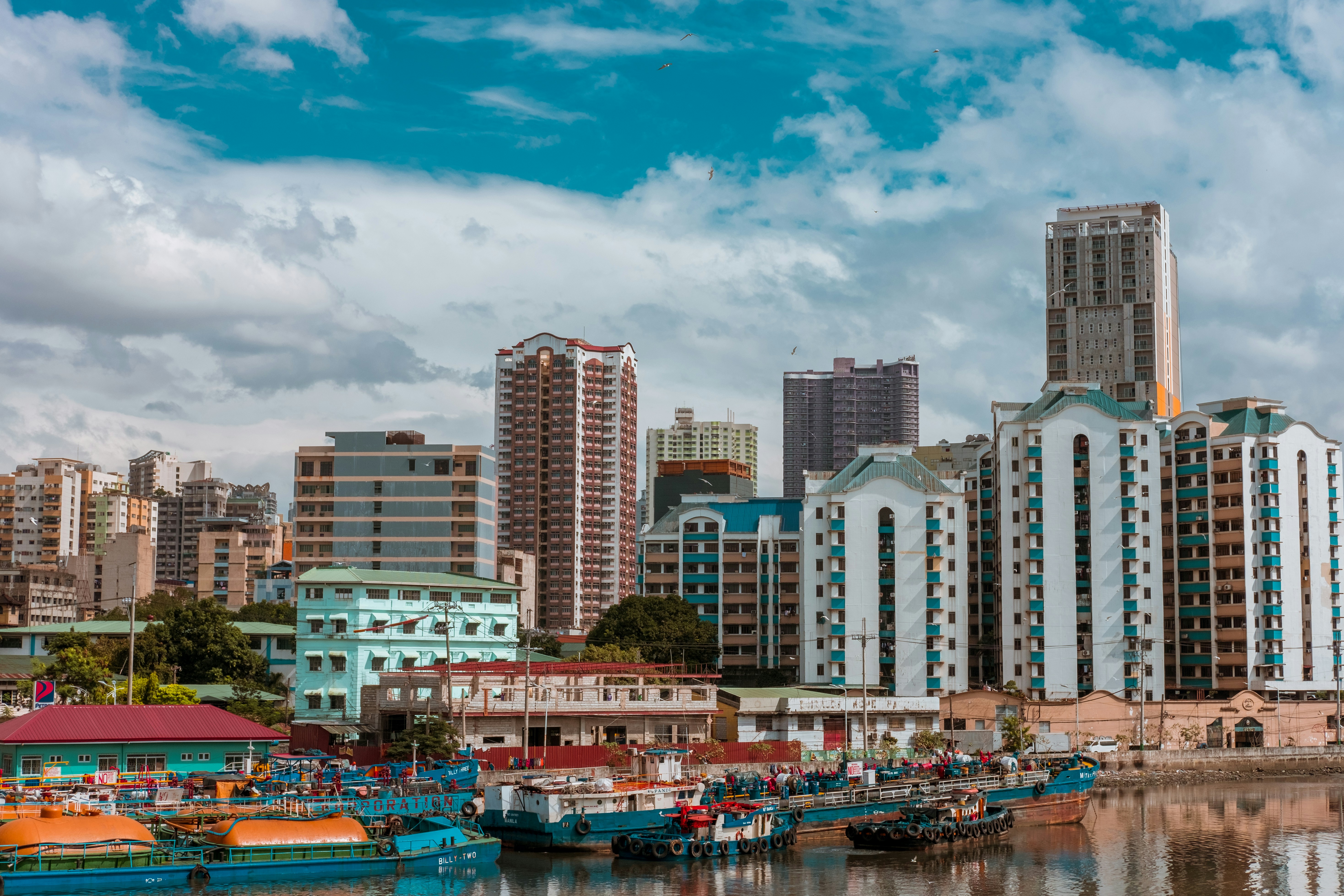
Manila. Photo by Michael Buillerey on Unsplash

News

Meet John: From Manila to Europe — a journey shaped by cities, climate, and change

Growing up in one of the world’s most densely populated and climate-vulnerable cities shaped how John Warren Tamor sees urban life and its challenges. From flooding streets in Manila to communities displaced by environmental and social pressures, his experiences motivated a deep interest in how cities can change for the better.

In this article, John shares his journey from journalism to urban research, his work on governing the green and digital transitions, and his ambition to help build cities that are not only smarter and more sustainable, but fairer and more humane for everyone.
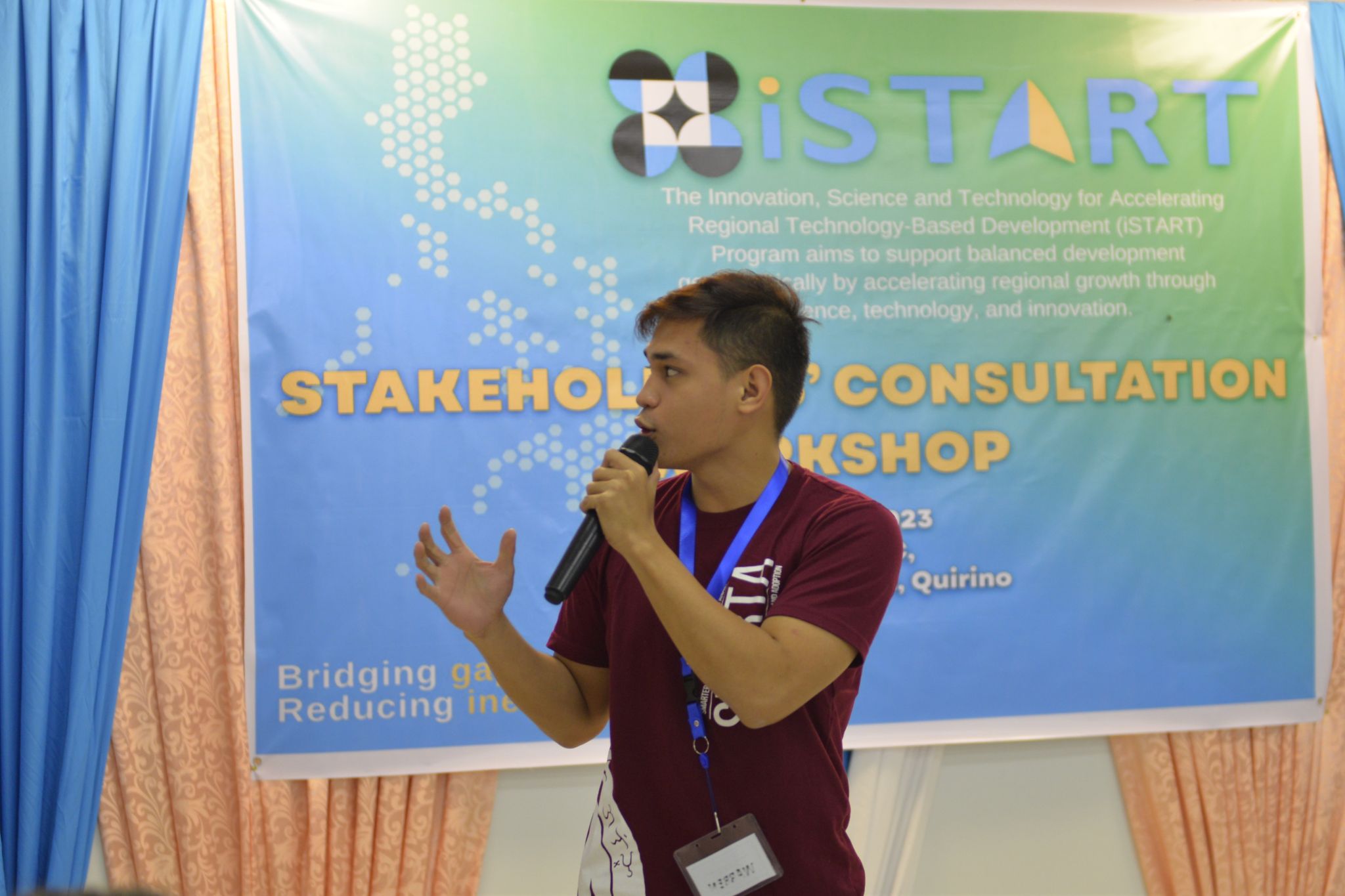
Growing up on the front lines of urban and climate challenges — tell us about yourself and your studies

I grew up in Manila, one of the most crowded cities in the world and a place hit hard by the climate crisis. I saw how floods and fire can take over streets, and I saw people rebuild their homes with whatever little they had. 

When I began my degree in development communication, I started to understand these problems more clearly. As a journalist-in-training, I talked to small business owners who had to close during the pandemic and fisherfolks whose jobs were at risk because of heavy metals accumulation in freshwater catch. I also reported on lake communities trying to deal with planned renewable energy projects, and met Indigenous Peoples forced to leave their land because of conflict, poverty, and climate pressure. Many of them ended up living in informal settlements at the edges of Metro Manila.  

I realized my stories were only showing the symptoms of deeper, interconnected problems that were hitting the city hard. Because of this, I wanted to learn more about how we can change urban systems, and systems in general. This led me to pursue an MSc in Transitions, Innovation, and Sustainability (TISE) across four universities in Europe. Now, on the same path, I am doing my PhD at the Ragnar Nurkse Department of Innovation and Governance through the DREAM+PLAN programme

Tell us more about your main research topics and how they connect to creating smarter cities

My main research topic is about the long-term system changes unfolding in our citiesthe green and digital transitionTogether, these are often called twin transitions. I study how we can govern these two transitions, specifically in the nexus of housing and energy

This entails looking at how local governments, communities, businesses, and experts work together, and how technology and sustainability goals can support each other instead of creating new tensions. 

How does your research connect to creating climate-positive futures? 

The energy-housing-nexus is particularly hard to change because it touches so many aspects of people’s lives at once. Housing is not just a physical structure; it’s home, community, and identity. Energy systems are tightly linked to infrastructure, industries, and long-term investments.  

While the shift to greener energy systems through digital tech offers pathways to make housing more sustainable and responsive to residents’ needs, changing one without considering the other can create unintended consequences like displacement or social resistance. This makes the energy and housing nexus central to achieving climate-positive futures. 

The programme brings together universities and innovators from both Europe and Australia. What kind of collaboration or exchange do you find most exciting in this global context? 

At RMIT, I am based at the Centre for Organisations and Social Change under Prof. Cameron Duff and Dr. Melissa Wheeler, whose team has done remarkable work on housing and homelessness. We are hoping to combine this expertise with our experience in governance of energy systems at TalTech, guided by my supervisors Dr. Peeter Vihma and Dr. Ralf Martin Soe.  

This raises important questions at the nexus of housing and energy: How can we ensure that energy transitions support rather than displace vulnerable communities? How can housing policies and energy systems be coordinated so that they reinforce both social well-being and climate goals? These are the kinds of questions we hope to explore through this cross-time zone collaboration. 

What is something unique about you? What do you like to do outside research? 

I’m an urbanist at heart, and outside of research I love exploring cities on foot. I study urban forms, watch how people use spaces, and think about how designs, policies, and planning shapes daily life. I’ve organized walkshops to co-create these insights with others, and I also capture urban life through my camera lens. Both of which often inspire ideas I bring back to my research on cities. 

Pursuing a double PhD is an ambitious path. What do you hope to learn or change through this experience that could make a real-world impact?  

I want to be a better urbanist. I want to learn how to turn cities into places that protect people, not push them aside. Through this experience, I hope I can help build cities where no one is forced to choose between safety, home, or opportunity, even as our climate and society continue to change. 

The TalTech School of Business and Governance has joined the international research and doctoral training project DREAM+PLAN (Driving Climate Positive Futures). The project is aimed at shaping a climate-positive future and supporting changemakers who connect science, business, and innovation. The programme brings together doctoral students and supervisors who wish to contribute to building a more sustainable, just and inclusive future through their work and expertise. Funded by the European Commission under the Marie Skłodowska-Curie COFUND scheme, it is coordinated by RMIT University in Australia.

Read more about all four doctoral students.

Stay informed about our developments, projects and research on smart cities with our bi-monthly newsletter – subscribe now!

Related news