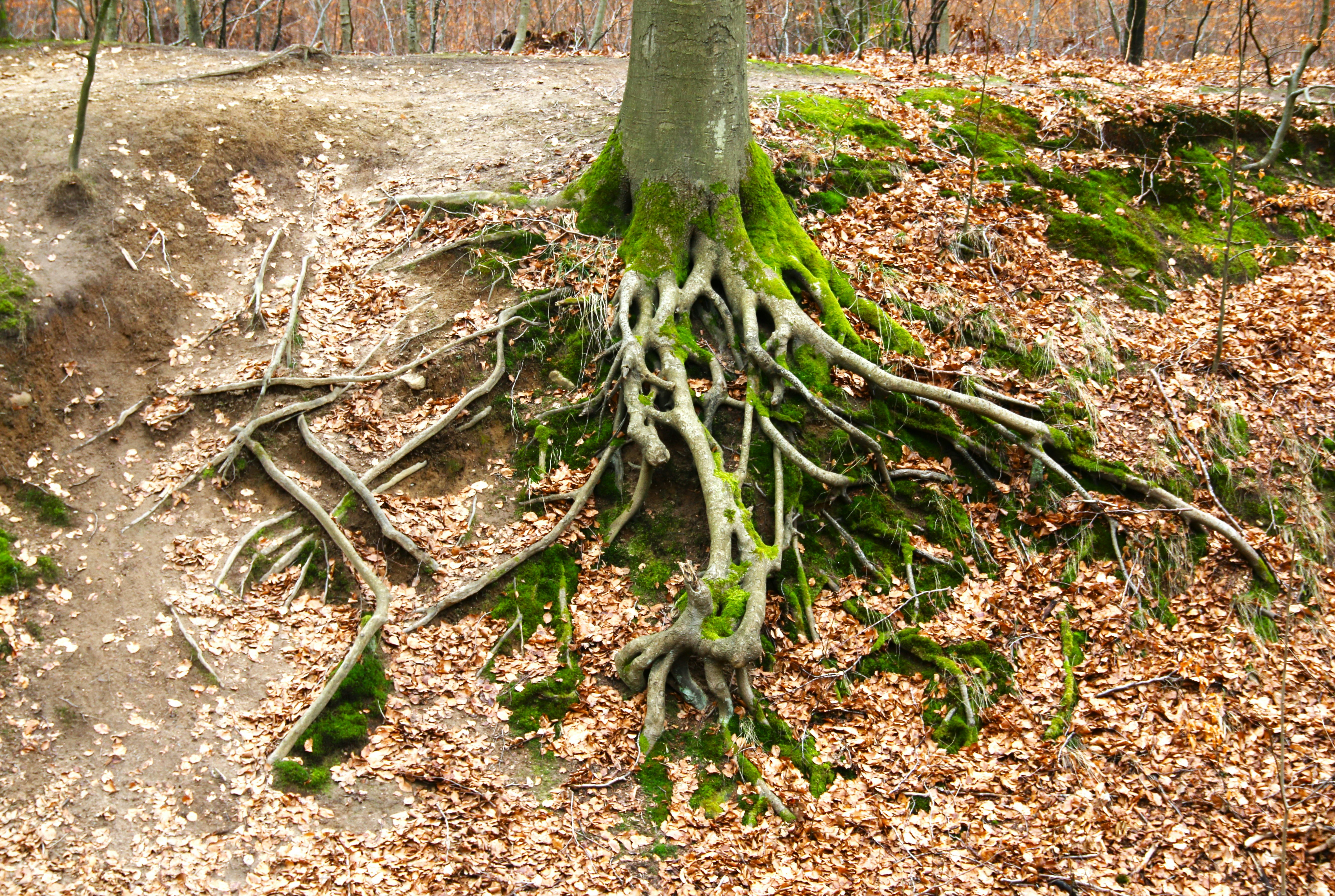
Trees are vital components of urban green infrastructure, providing a wide range of environmental, social, and economic benefits. Their health and stability largely depend on root systems, which can be easily damaged during excavation or construction activities. To prevent harm and unintended tree loss, TreeCity uses 3D root system modelling to support urban planning processes and protect the long-term health of urban trees.
Challenge
As cities around the world aim to become more sustainable, preserving and increasing urban vegetation, especially trees, has become essential for improving quality of life and strengthening the urban environment. Yet in dense urban environments, trees are often exposed to external stress factors that affect their health and can lead to long-term damage or even loss.
Tree roots play a crucial role in maintaining overall tree health. These complex and dynamic systems remain largely hidden underground, yet in cities they face increasing pressure from construction activities and restricted soil space. Roots often share the same shallow subsurface areas as critical infrastructure, making them particularly vulnerable during excavation works. As a result, root damage is common and can significantly weaken trees.
The consequences are both environmental and financial. In Tallinn, 12 236 trees were felled in 2023, of which 8247 (67.4%) were removed due to poor health. In many cases, root system damage was a contributing factor. Although cities aim to prevent unintended tree loss and the associated costs, there is still a lack of knowledge and practical tools to better plan for root space and identify optimal locations for planting.


