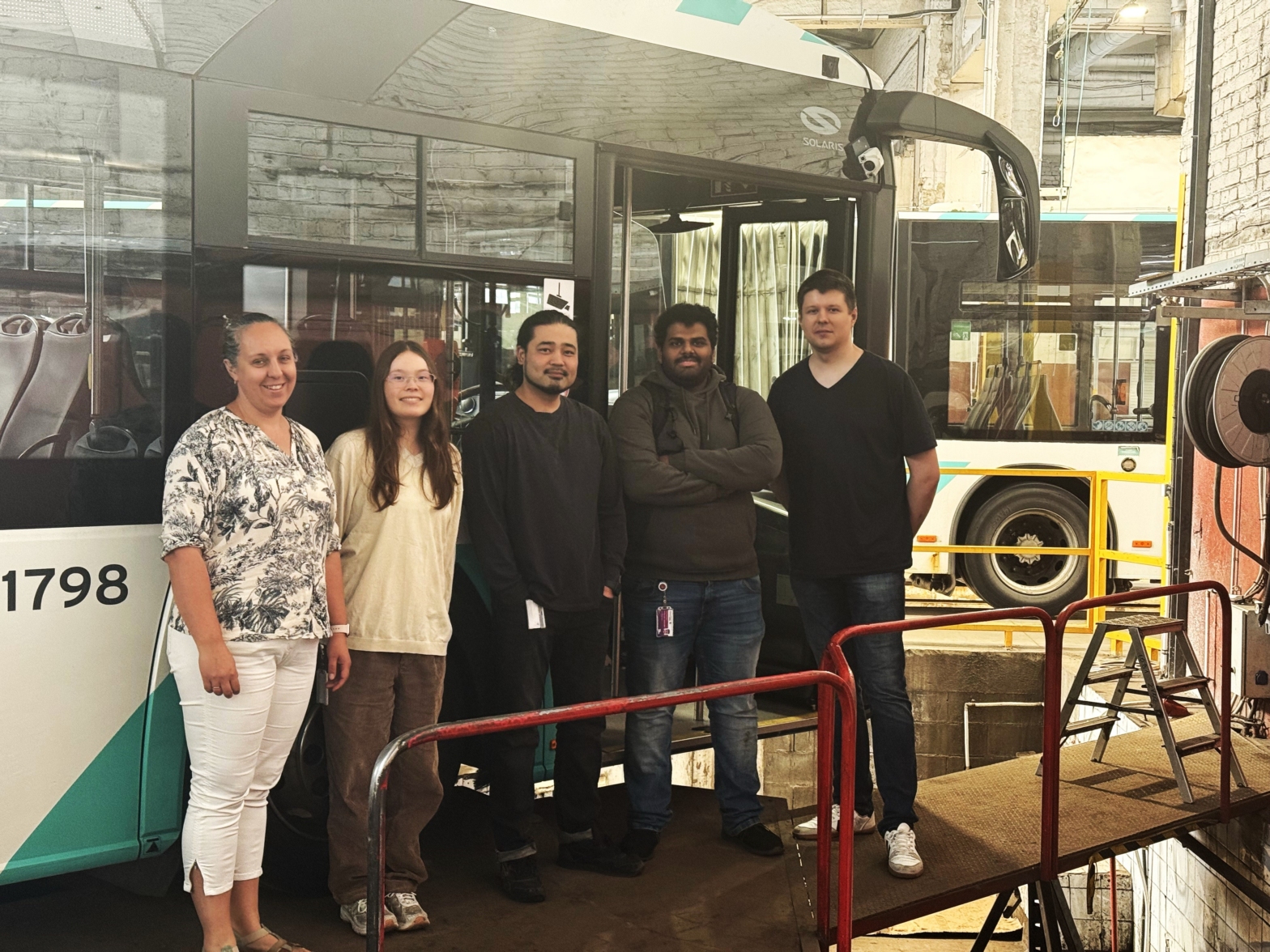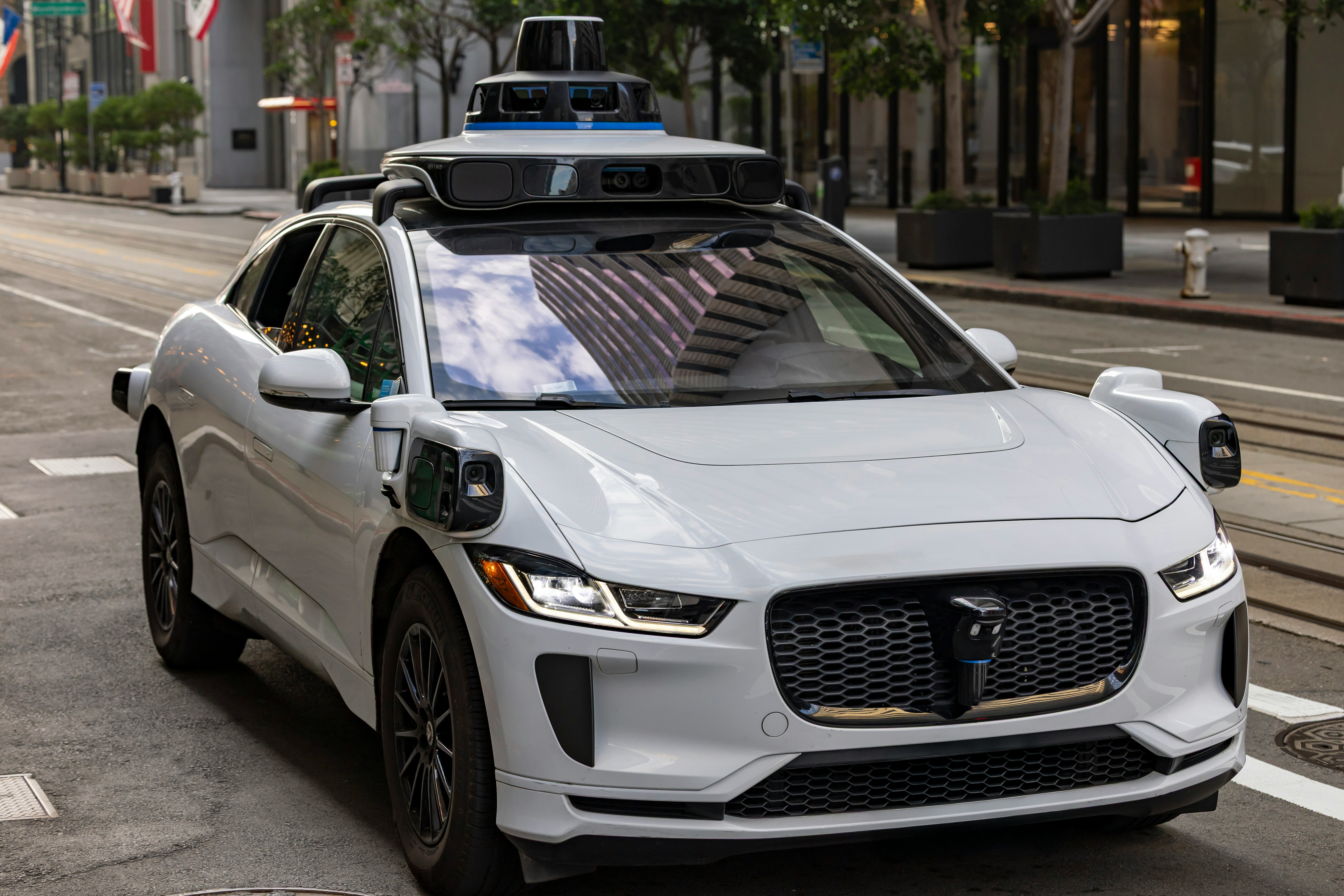
Next year, commercial robotaxi services we have seen in the US and China are coming to Europe. European transport system in cities is based more on public transport than private cars and taxi rides, so Europe cannot copy the American robot taxies as such. In case we want first/last-mile robot buses feeding the buses, trams and trains in the peri-urban areas, cities need to have models for procuring.
Not even in the US the robotaxies are mainstream, but an additional option, for example fares being afraid of harassment from the human taxi driver.
Unlike in the US, dealing with automated vehicles, in Europe we have enabling regulation. It needs to understand who is in charge when there is no driver in the vehicle. Also, to make the endless shuttle bus pilots towards permanent services, the automated vehicles must be registered and type approved.