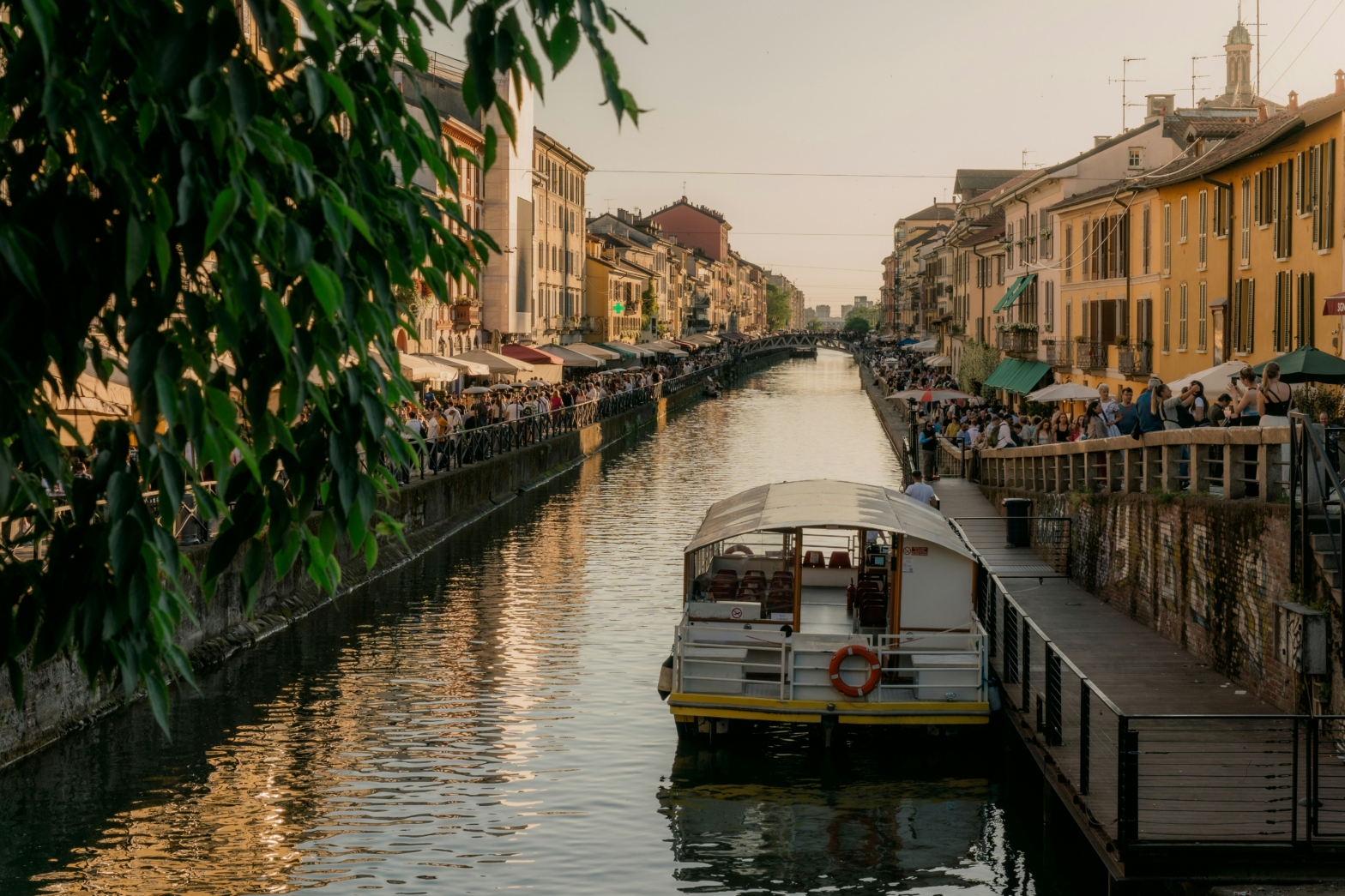
Photo by Robert Bye on Unsplash

Uudised

Meet Sydney: Designing climate-resilient cities through sustainable architecture

In the summer of 2026, the FinEst Centre has once again the joy of hosting two interns from Stanford University.

Interns are visiting Estonia through the Stanford Baltics Exchange Program, coordinated by Vabamu.

The third consecutive internship is part of an ongoing effort to build continuous collaboration between the smart cities’ research community between Stanford and Estonia.

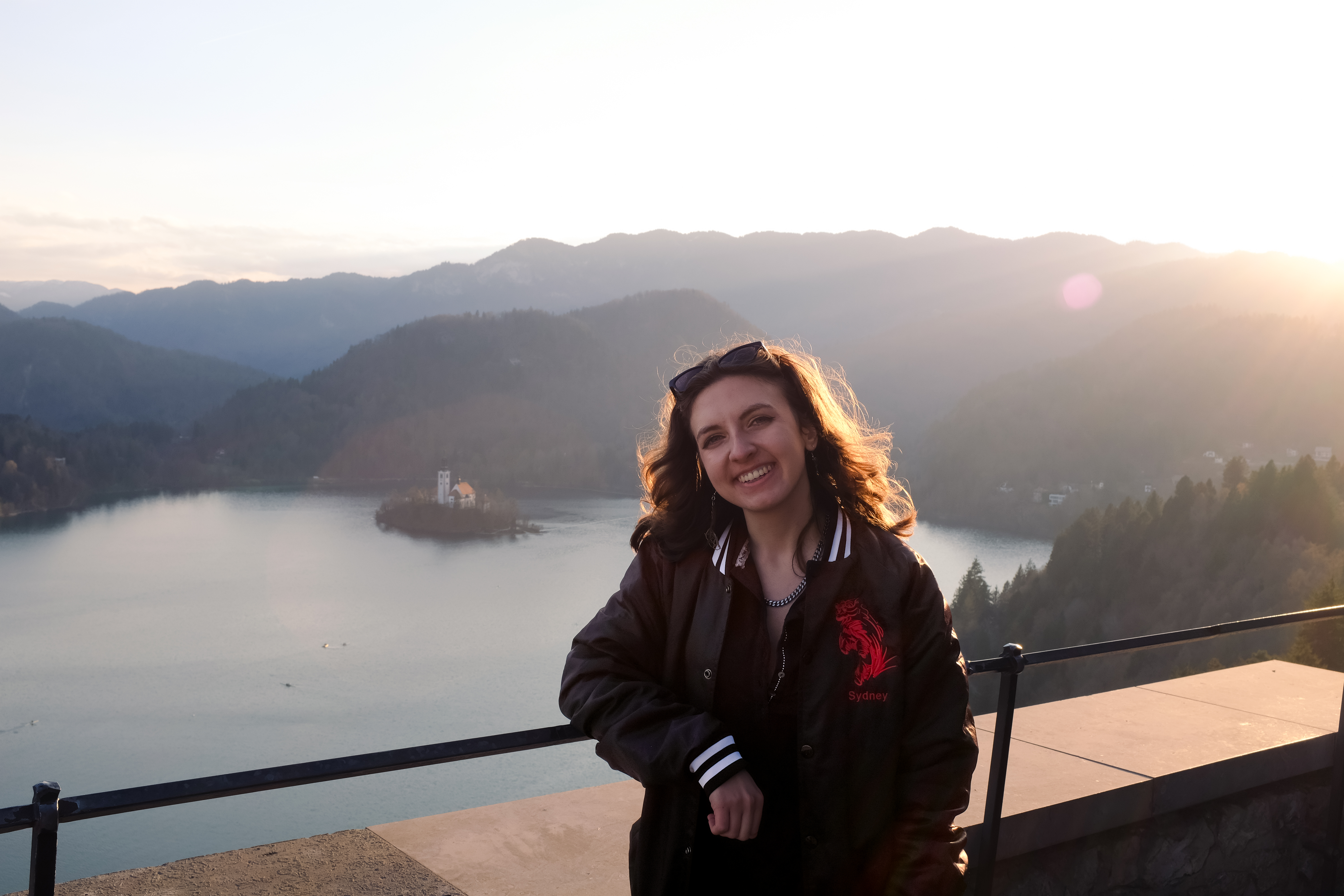
This summer, one of our interns, Sydney, is bringing her passion for sustainable architecture and climate resilience from Stanford to the FinEst Centre for Smart Cities. Read on to learn about her journey and what inspires her work.

Tell us a bit about yourself. What are you studying at Stanford, and what are some interests or hobbies that people might not know about?

I am a Sustainable Architecture and Energy Systems Engineering major, entering my fourth and final year at Stanford. I am passionate about designing energy-efficient infrastructure to improve human wellbeing.

While at Stanford, I have done several projects related to fostering climate resilience and the green transition in California. In one ongoing initiative, I am performing a spatial analysis of extreme heat in cities and counties around Stanford to understand how these communities experience extreme heat. I have developed infrastructure solutions for low-income and marginalized communities in the area and am now advocating to install heat pumps in affordable housing units.

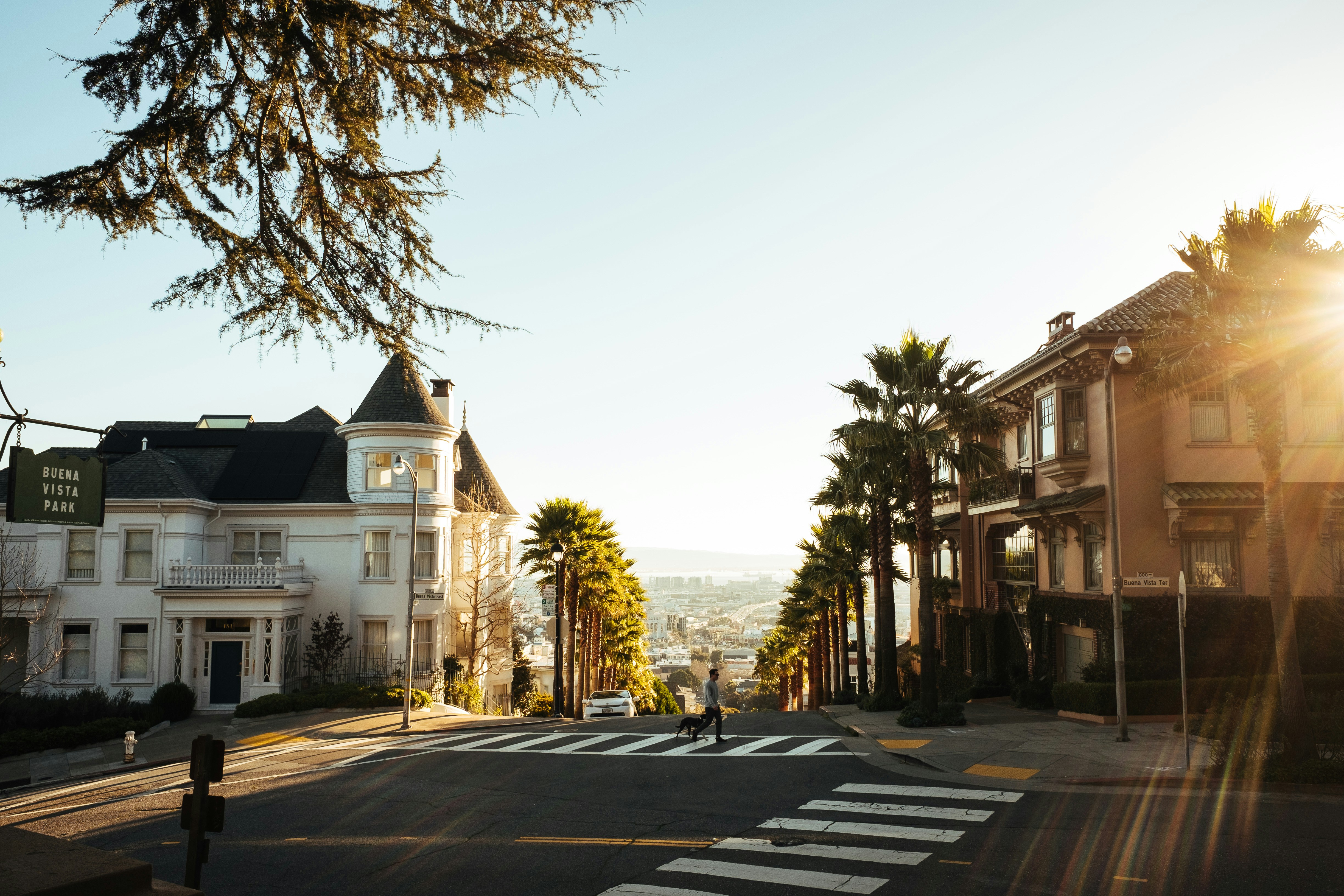
Outside of work, I am a hobbyist photographer. I first got into photography during my sophomore year of high school, and have been bringing my FujiFilm x100f with me on all my adventures ever since!

What first sparked your interest in cities, urban life, or the challenges cities face today?

At first, I was mainly interested in questions around sustainability. In high school, I worked in a mechanical engineering lab to develop energy-efficient cooling systems and in a green chemistry lab to replace harmful chemicals in epoxies and resins with cellulose (essentially cotton). I was eager to continue working on sustainability problems in college and in my future career.

Over the course of my freshman year, I also became interested in the psychology behind urban spaces. What makes a space feel inviting or hostile? What makes a college dorm feel like a community? What do we need to do to revitalize city centers?

When I investigated these questions, I discovered that human wellbeing and sustainability are innately connected; a city that feels welcoming is one that has clean air, shade, pedestrian paths, and minimizes the urban heat island effect.

A city like this must be built mainly from renewable energy sources and find ways to minimize energy waste so that its residents can power more things and live in abundance while minimizing energy bills.

How do your studies connect to smart cities, sustainability, or urban innovation?

As the name of my major suggests, I plan to dedicate my life to all three of these goals. Through intelligent design and well-thought-out energy planning, we can make smarter, more sustainable, and more innovative cities.

A well-designed building takes advantage of passive heating, cooling, and lighting, which increases human comfort while reducing energy usage. A robust, distributed, and renewable energy grid reduces the likelihood of power outages and minimizes damage to the planet.

What made you interested in spending your summer in Estonia and at the FinEst Centre for Smart Cities?

Prior to this internship, most of my work and studies have been in the United States, but Estonia and the EU are major innovators in sustainable urban and infrastructure development, so I was eager to participate in the research here and bring this new knowledge back to California.

Sydney Dever-MendenhallSydney Dever-Mendenhall

Before coming to Tallinn, what did you expect to learn or experience during your internship? 

I was eager to learn more about the main challenges that the FinEst Center is tackling and what research looks like outside of the US. I hoped to get involved in a research project that was related to my main interests (energy efficiency, architecture, and retrofitting spaces). I was also very excited to experience life in another country and learn about the culture and customs here.

What projects are you currently working on, and what have you learned from them so far?

I am working on developing the Challenge-Based Learning (CBL) course on Smart Cities and Sustainable Solutions, which will debut this fall. This course will pair student teams with city leaders across the EU to innovate creative solutions to the largest sustainability challenges facing cities today.

While developing course materials, I have enjoyed many fruitful conversations with the mentors for this course, many of whom are also involved with the FinEst Center. They are experts in architecture, engineering, smart cities, and urban development for human wellbeing, among other specialties. In addition to gaining their perspective on the CBL course, hearing about their research has been fascinating.

I am also working with Ergo Pikas (one of the CBL mentors) on developing more effective digital tools to encourage renovation standards and codes in the land use planning and construction sectors. Existing building stock can often be very energy-inefficient, but effective renovations can minimize inefficiency and avoid the carbon emissions that would come from tearing a building down and constructing a whole new one in its place.

I have been developing my knowledge of energy use modeling and learning about the energy goals and building development frameworks that currently exist in Estonia.
How do you think this experience will influence your future studies or career plans? 

I was interested to discover that many of the greatest challenges facing cities in the EU today are similar to those facing cities in America–we must manage urban heat and pollution, make retrofits economically viable, and become carbon-neural as fast as possible.

Although the precise solution to these challenges should be refined for each city, I believe that greater collaboration across nations could be key in developing rapid and effective strategies to reach these goals.

If you could solve one urban challenge anywhere in the world, what would it be and why? 

The actions of developed countries have an outsized effect on developing countries, but I hope that we can prevent this through effective reuse of materials.

Last summer, I went to Ghana and took a Stanford class on African urban studies in Ghana. I visited the largest electronics waste dump in the world, Agbogbloshie, located in Accra, Ghana’s capital and largest city.

There are also such massive imports of chemical-filled fast fashion that some urban regions nearby are built on top of layers of poor-quality used clothing. The chemicals from these electronics and clothes have poisoned the water and the air around those regions, leading to massive human health complications. We need a circular economy that reuses materials rather than exporting them as waste to other countries.

Sarnaseid uudiseid