News

FinEst Centre brings two new smart city courses to TalTech

This autumn, two new courses have been introduced at Tallinn University of Technology (TalTech), led for the first time by researchers from the FinEst Centre. The courses bring smart city research and innovation closer to students, combining knowledge from different disciplines with real-world challenges from cities and other partners.

The two courses approach the future of cities from different perspectives. “Challenge Impact Lab: Smart Cities and Sustainable Solutions” gives Master’s students the opportunity to work in interdisciplinary teams on real challenges faced by cities and companies. “The Future of Cities: Sustainable and Smart Governance” explores how technology, people, the environment and governance come together to shape the cities of the future.

At the heart of both courses is one key question: how can knowledge created at the university be used to make a real impact on urban development?
Challenge Impact Lab: bringing real-world problems into the classroom

“Challenge Impact Lab: Smart Cities and Sustainable Solutions” is part of TalTech’s new challenge-based learning initiative SPIN, which brings real-world challenges from companies, the public sector and society into university education.

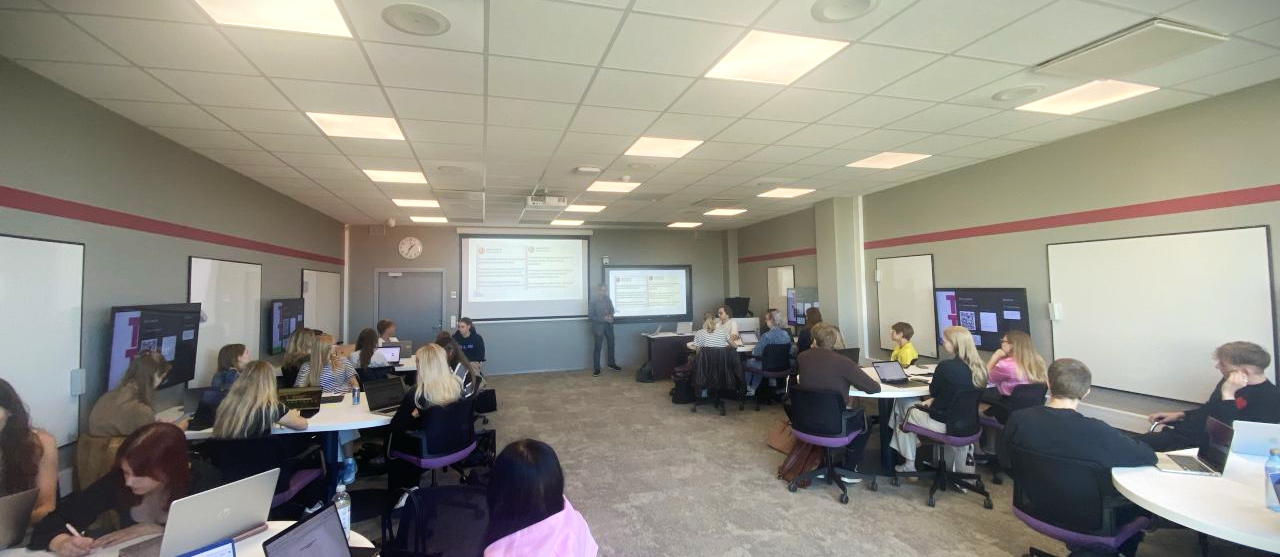
Students from different Master’s programmes work in teams to develop solutions to urban challenges. Together with lecturers, mentors and challenge owners, they analyse problems, combine knowledge from different disciplines, test potential solutions and assess their impact.

The Impact Lab is led by FinEst Centre researchers Ralf-Martin Soe and Helen Sooväli-Sepping, together with Ergo Pikas, Katrin Arvola and Riina Palu from different units across TalTech.

Five real-world challenges are selected for the course, with 25 Master’s students working to address them. Students are supported by TalTech mentors as well as challenge owners from cities and companies. Partners introduce their challenges at the beginning of the course and meet the students again to review interim results and final solutions.

Goal: Learning to lead change when there is no single right answer

The aim of the Impact Lab is not necessarily to arrive at one “right” answer. Instead, students learn how to work with complex problems that require technical, social and sustainability perspectives to be considered together.

One of the course’s central goals is to develop a new type of change leader – someone who can combine scientific thinking, technological capabilities and social awareness.

Throughout the course, students develop skills in analysing the changes needed in organisations and society, setting goals and indicators, selecting appropriate methods for developing solutions, and assessing their potential impact. Equally important is learning how to manage change processes and collaborate effectively in interdisciplinary teams.

The Future of Cities: what does it really mean to be a smart city?

The second new course, “The Future of Cities: Sustainable and Smart Governance,” is offered by the Ragnar Nurkse Department of Innovation and Governance and invites students to look at the city as an interconnected system.

The course is led by FinEst Centre researcher Jelizaveta Krenjova-Cepilova, who brings in a range of experts and practitioners throughout the course to explore different aspects of urban development.

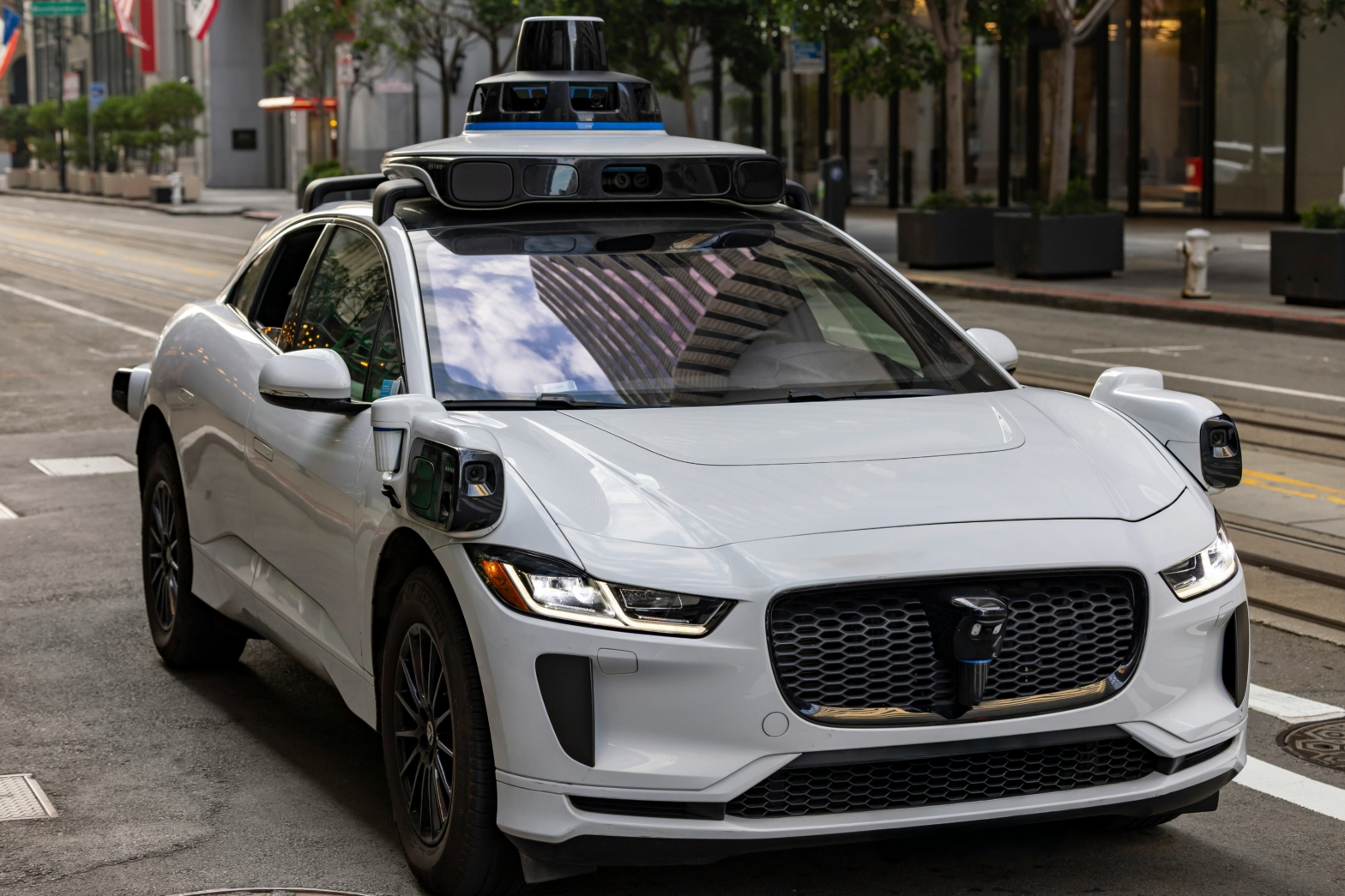
Does a smart city primarily mean artificial intelligence, autonomous vehicles and sensors? Or is it a city where people enjoy a high quality of life, can move around easily, have access to a clean environment and are able to participate in decision-making?

The course is built around the idea that the city of the future emerges from the interaction of all these elements. A city is a system in which people, technology, the environment, energy, transport, data and governance are interconnected – and decisions made in one area inevitably affect others.

From technology and climate change to urban governance

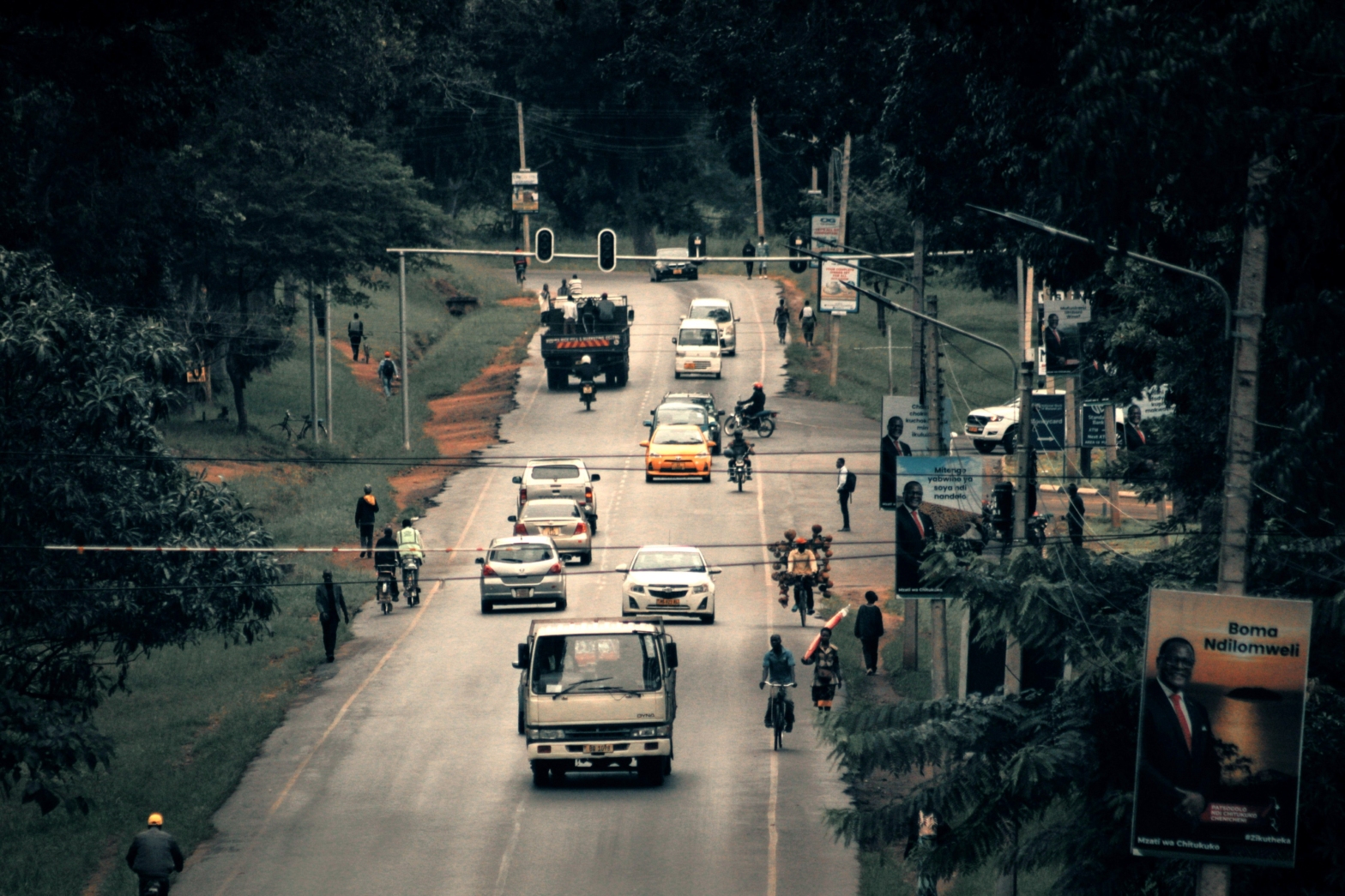
Through real cities and practical case studies, students explore the different dimensions of smart and sustainable urban development. They examine how cities can respond to climate change, reduce CO₂ emissions, apply circular economy principles and make urban mobility more sustainable.

The course also looks at how data is used in urban governance and the role that artificial intelligence, automated transport and other emerging technologies can play. Alongside technological solutions, students develop practical leadership skills: setting effective goals, collaborating with others, running productive meetings and navigating difficult conversations.

One broader question connects all these topics: who is a smart city actually smart for?

The course goes beyond the traditional lecture format. Students analyse cases, compare cities, solve problems and discuss different approaches and possible solutions. Throughout the course, they meet researchers, experts and practitioners working across urban development, research and innovation.

Bringing research and education closer together

The launch of the two courses marks a new step for the FinEst Centre for Smart Cities. For the first time, the Centre’s researchers are bringing their expertise, research topics, partnerships and practical experience more systematically into TalTech’s teaching.

While one course focuses on learning through real-world challenges and developing solutions, the other takes a broader look at how the cities of the future can be understood and governed. Both share the same goal: to help students understand complex urban challenges from multiple perspectives and develop the skills needed to shape the cities of the future.

Related news