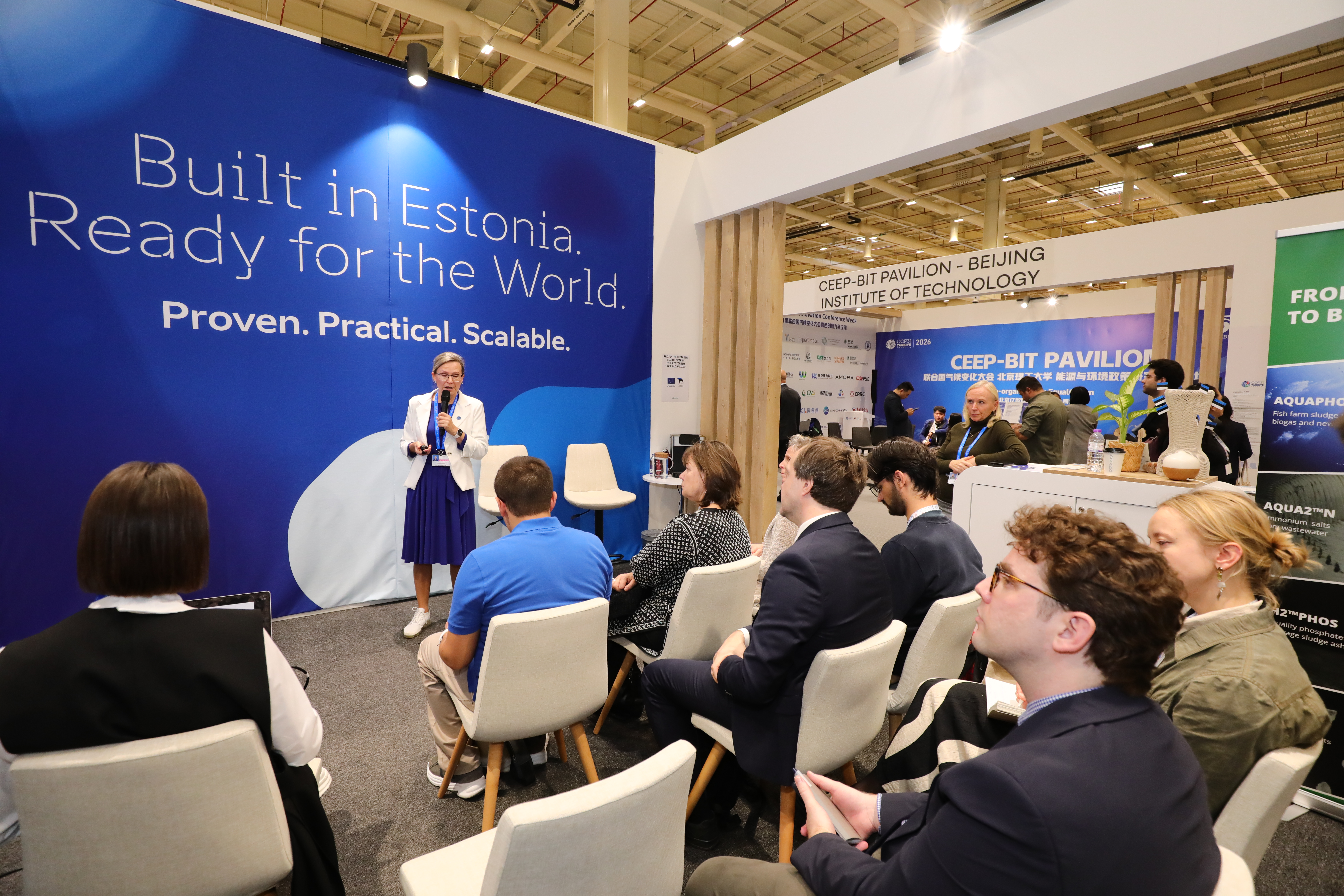
At the COP31 Estonian Pavilion in Antalya, Türkiye, experts gathered on Thursday, 12 November 2026, for a discussion titled “What Lies Beneath? How AI and 3D Technology Are Transforming Urban Greenery”. The session highlighted how digital innovation and research-driven solutions are helping municipalities tackle complex sustainability challenges to create greener, more resilient, and more liveable urban environments.
News
What lies beneath: How AI and 3D technology are transforming urban greenery
Published on 25.11.2026
Written by FinEst Centre for Smart Cities
Speakers and key themes
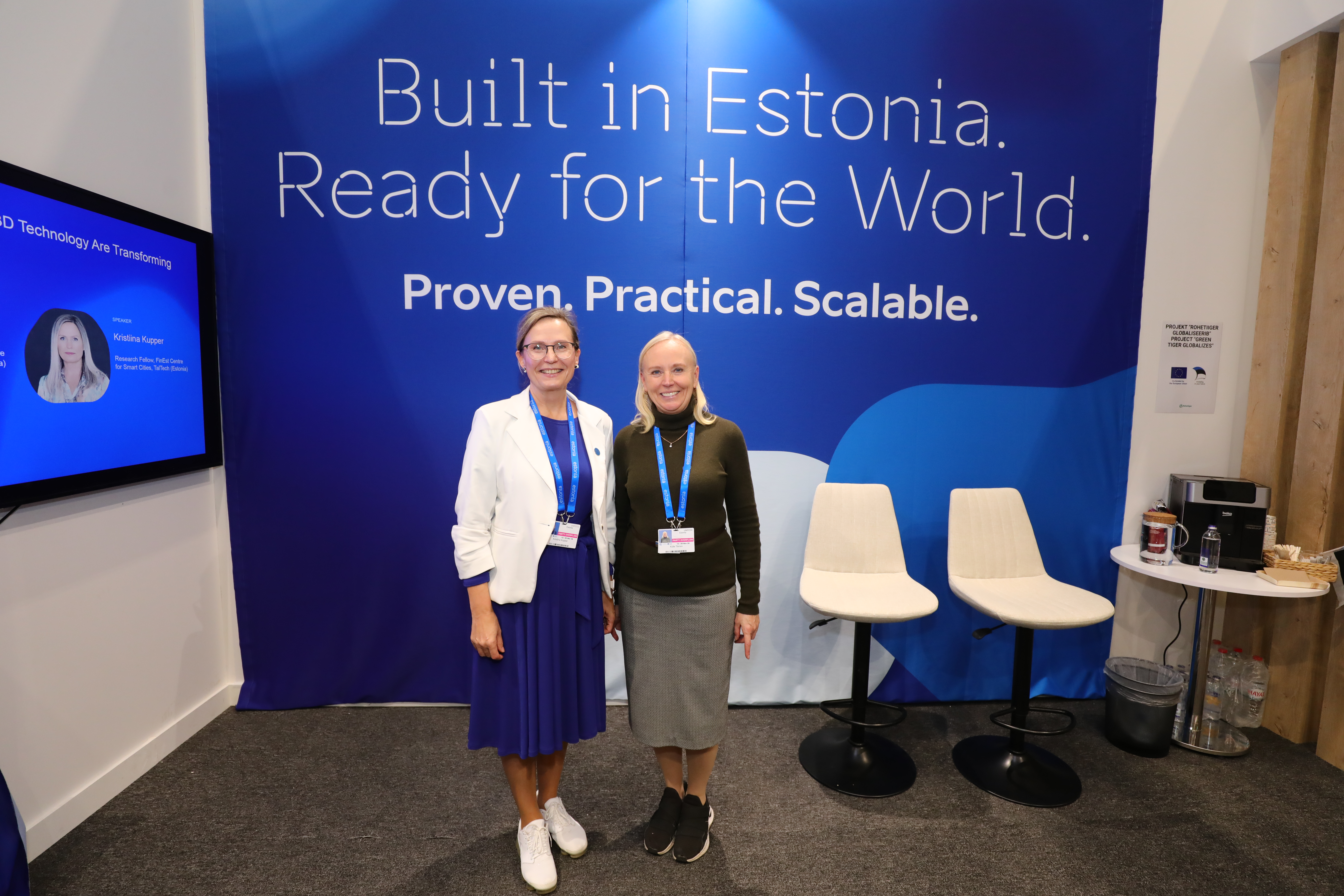
Hosted as part of FinEst Centre for Smart Cities activities at the Estonian Pavilion, the discussion featured Külle Tärnov, centre’s Head of Innovation, and Kristiina Kupper, Research Fellow.
The session covered key focus areas within digital & green tech and clean energy & efficiency. While the broader initiative of FinEst Centre addresses urban priorities such as energy efficiency, bathing water quality, building reuse, and citizen well-being, this panel focused specifically on transforming urban greenery management through 3D modeling and data analytics.
Underground and surface technologies
The discussion introduced two primary digital tools designed for municipal greenery planning:
- Herbarium.ai: A digital platform combining vegetation data with 3D models to assist cities in planning, managing, and optimizing green spaces.
- TreeCity: A specialized modeling tool focused on mapping underground tree root networks, preventing costly construction damage while fostering healthier urban trees.
Together, these technologies allow city planners to manage both visible vegetation and sub-surface root infrastructure, ensuring sustainable development across smart cities.
Listen to the discussion
Find more discussion recordings from Estonian Pavilion’s programme at COP31.